 Hear Solution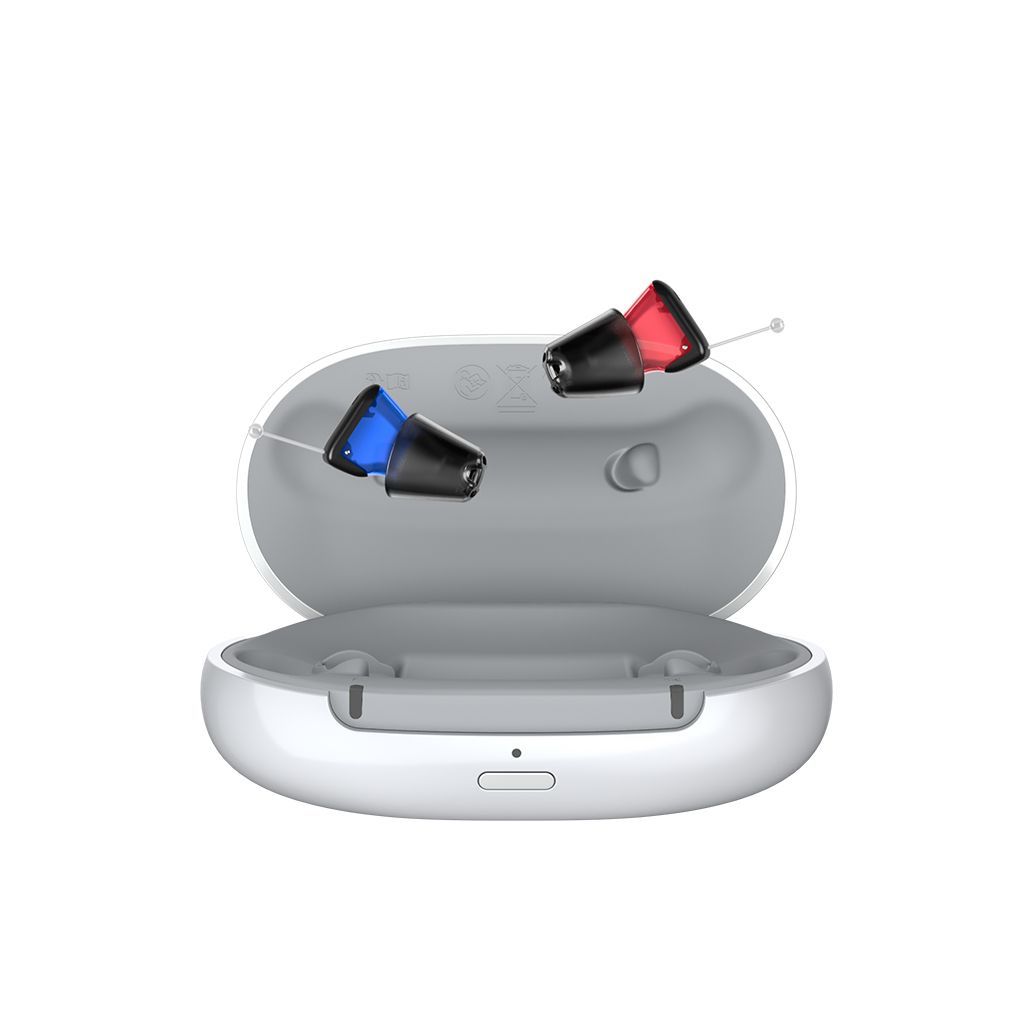
Most modern digital hearing aids come in two power formats — disposable zinc-air batteries or built-in rechargeable cells. Neither is universally "better"; the right choice depends on your daily routine, dexterity, and how you like to manage maintenance.
Disposable batteries
- Pros: Widely available (pharmacies, general stores), no charging routine to remember, and a spare battery in your pocket means you're never caught without power.
- Cons: Regular small cost over time, need to be replaced every few days to a couple of weeks depending on use, and the tiny batteries can be fiddly for people with reduced dexterity or vision.
Rechargeable hearing aids
- Pros: No batteries to buy or handle — devices sit in a charging case overnight, much like true wireless earbuds. Most modern rechargeable aids comfortably last a full day on a single charge.
- Cons: Requires a consistent charging routine (typically overnight), and if you forget to charge, there's no quick battery swap — you may need a backup pair or wait for a partial charge.
Questions worth asking yourself
- Do you travel often, including to areas where charging might be inconvenient?
- Would you rather manage a nightly charging habit or occasional battery purchases?
- Do you or a family member find small disposable batteries difficult to handle?
Both come across all four brands we carry
Signia, Phonak, ReSound and Widex all offer rechargeable options alongside traditional battery models, across most styles. Which one suits you is worth discussing after your hearing report and fitting — it's a lifestyle decision as much as a technical one, and your audiologist can talk you through both in person.